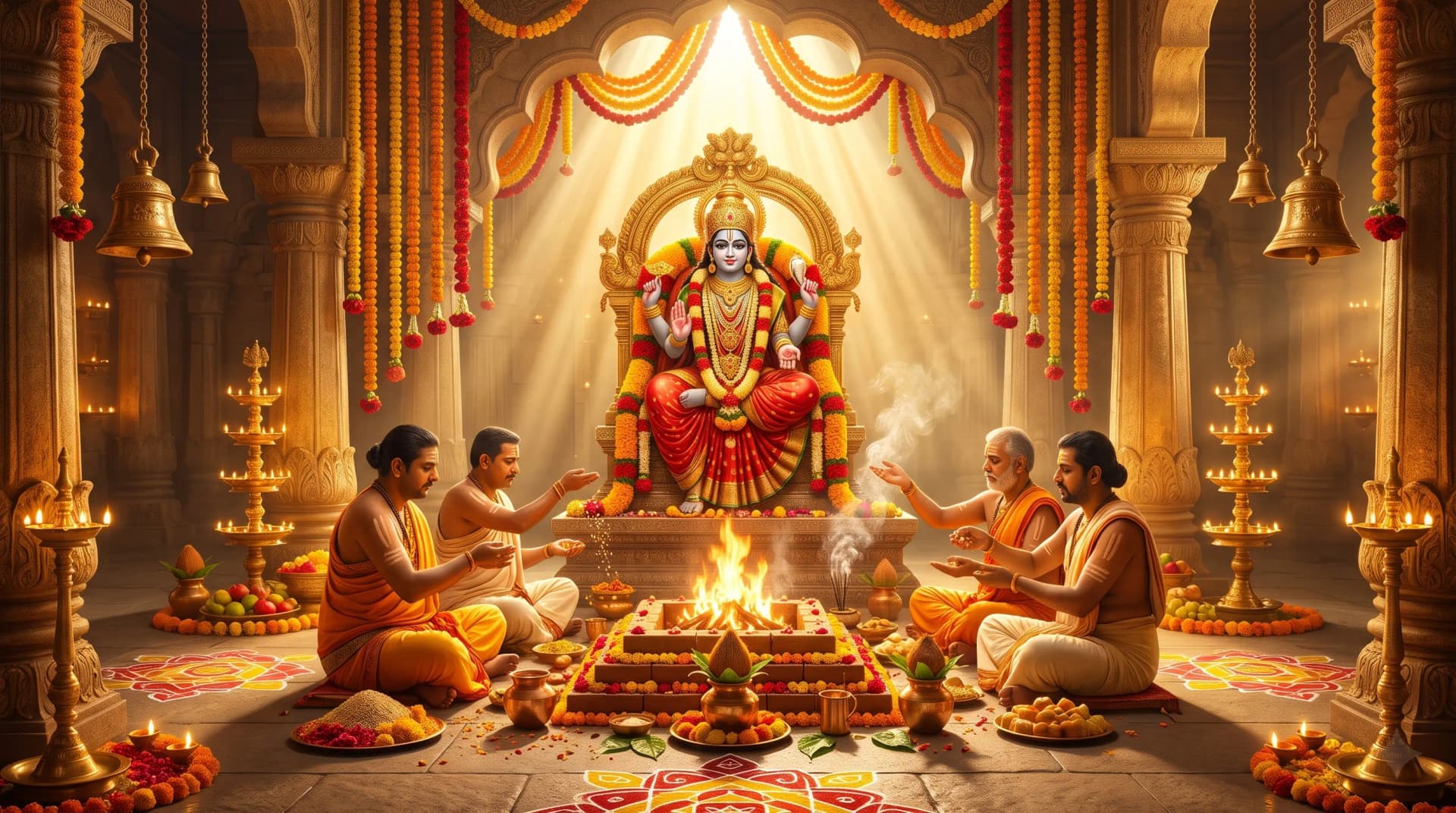
Welcome Divine Presence with Pran Pratishtha Puja
Perform the sacred murti consecration ceremony with proper Vedic mantras, traditional rituals, and expert pandit guidance.
What is Prana Pratishtha?
Pran Pratishtha Puja is a sacred Hindu ritual performed to invoke divine presence into a deity’s murti through Vedic mantras and traditional ceremonies.

Importance of Prana pratishthapna Abhishekam Puja in Hinduism
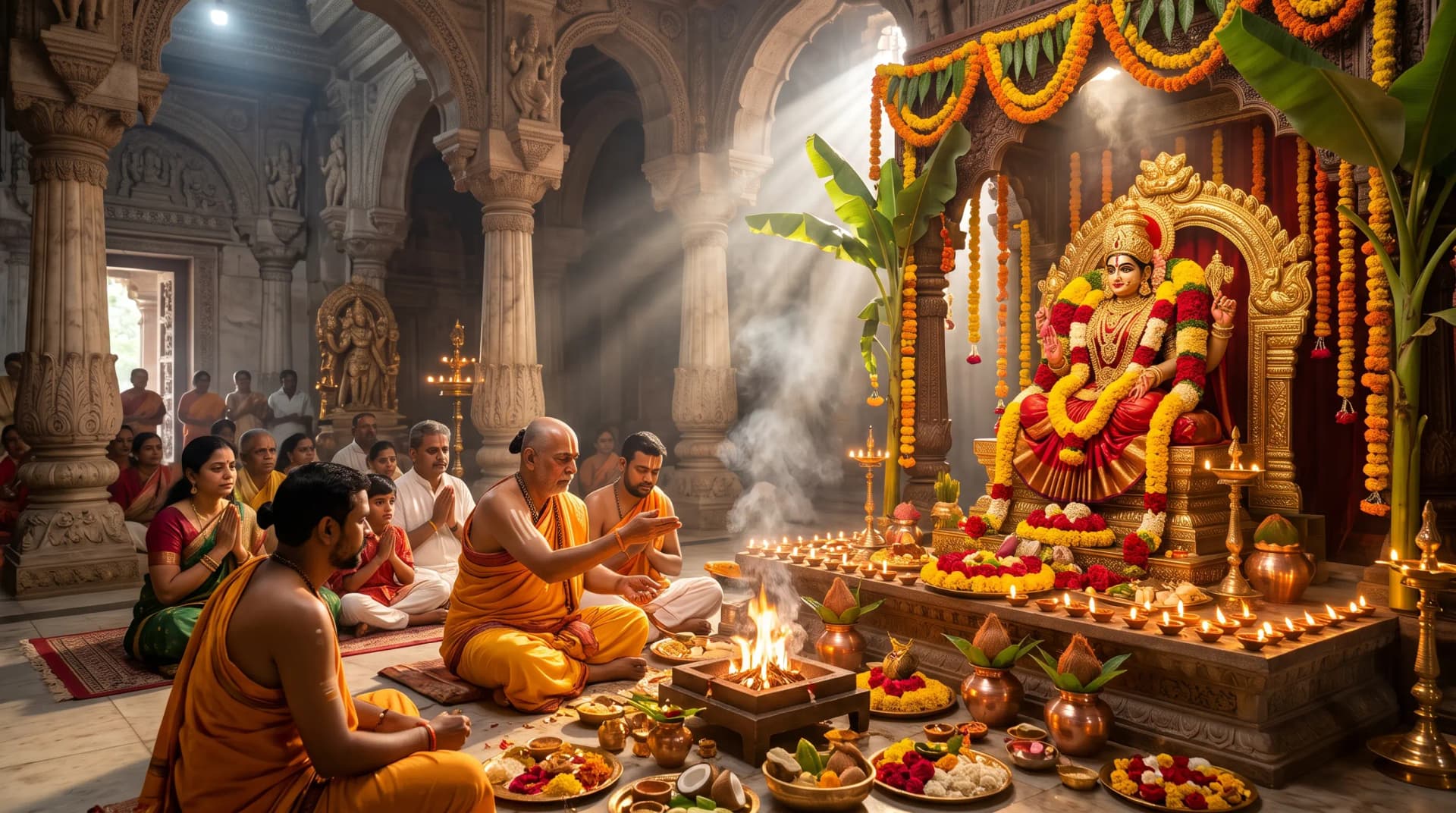
Pran Pratishtha Puja holds great spiritual and religious significance in Hinduism as it marks the sacred beginning of worship for a deity’s murti. The term Pran Pratishtha means establishing life or divine presence. According to Hindu traditions, the ceremony transforms a murti from a representation of the deity into a consecrated form worthy of regular worship.
The importance of Pran Pratishthapana lies in establishing a spiritual connection between devotees and the divine. Through Vedic mantras, purification rituals, sacred offerings, and prayers, priests invoke the deity’s presence in the murti. Devotees believe that worshipping a properly consecrated murti strengthens devotion, invites divine blessings, and creates a spiritually uplifting atmosphere.
A significant example is the Ram Mandir Pran Pratishtha ceremony held in Ayodhya on January 22, 2024. The ceremony marked the consecration of Ram Lalla’s murti, symbolizing a sacred milestone for millions of Lord Rama’s devotees worldwide.
Pran Pratishtha is also an important part of establishing new temples and certain home mandirs. It marks the beginning of regular worship, including daily aarti, bhog offerings, and prayers, helping devotees maintain a lasting connection with their chosen deity.
When Should You Perform Pran Pratishtha Puja?
Murti Pran Pratishtha Puja is traditionally performed on an auspicious day and time to mark the sacred beginning of deity worship. Selecting the right Pran Pratishtha muhurat is important, as Hindu traditions believe that performing the ceremony during a favorable muhurat brings divine blessings and spiritual positivity.
The auspicious muhurat is determined by considering several astrological factors, including Tithi (lunar day), Nakshatra (constellation), Vaar (weekday), and planetary positions. The deity being consecrated and regional religious traditions may also influence the selection.
Pran Pratishtha Puja is commonly performed during the installation of a new deity’s murti in a temple or home mandir, temple inauguration ceremonies, and certain religious festivals. However, not every household murti installation requires an elaborate consecration ceremony.
Consulting an experienced pandit is recommended to determine a suitable muhurat, follow deity-specific Vedic rituals, and perform the ceremony according to traditional religious practices.
Pran Pratishtha Puja Samagri List
Here is the list of commonly used Pran Pratishtha Puja Samagri:
- Deity Murti
- Gangajal
- Kalash
- Panchamrit
- Fresh Flowers and Garland
- Kumkum, Haldi, and Chandan
- Akshat
- Incense Sticks and Dhoop
- Ghee Diya and Cotton Wicks
- Coconut and Mango Leaves
- Fresh Fruits and Sweets
- New Clothes for the Deity
- Betel Leaves and Betel Nuts
- Havan Kund and Havan Samagri
- Camphor and Aarti Thali
- Sacred Thread
- Tulsi Leaves
In India, choose "Yes" for "Book Puja with Samagri" in the booking form; the pandit confirms the final list on the call.
How to Do Prana Pratishtha Puja? Step-by-Step Vidhi
Pran Pratishtha Puja is performed through sacred Vedic rituals to invoke divine presence in a deity’s murti. Understanding how to do Prana Pratishtha helps devotees prepare for the ceremony, which is traditionally conducted by a knowledgeable pandit.
Step 1: Sankalp and Ganesh Puja
The ceremony begins with prayers to Lord Ganesha to remove obstacles, followed by Sankalp, where devotees express their intention to perform the sacred ritual.Step 2: Kalash Sthapana and Purification
A sacred Kalash is established, and Gangajal is sprinkled around the puja area to purify the surroundings before beginning the main rituals.Step 3: Murti Shuddhi and Abhishekam
The deity’s murti is ritually purified through Abhishekam using sacred substances such as Panchamrit and Gangajal, according to the deity’s traditions.Step 4: Pran Pratishthapana Mantra Chanting
The pandit chants the appropriate Pran Pratishthapana Mantra to invoke the deity’s divine presence within the murti through prescribed Vedic rituals.Step 5: Invocation of the Deity
Special prayers, mudras, and offerings are performed to establish the deity’s sacred presence in the murti for regular worship.Step 6: Havan and Sacred Offerings
A sacred fire ritual may be performed with offerings of ghee, herbs, and havan samagri while chanting deity-specific mantras.Step 7: Aarti and Prasad Distribution
The ceremony concludes with Aarti, prayers, and Prasad distribution, marking the beginning of regular worship of the consecrated deity.
Different Types of Pran Pratishtha Puja
Pran Pratishtha Puja is performed for different deities and sacred objects, with rituals varying according to Hindu traditions, the purpose of worship, and the place of installation.
- Ganpati Pran Pratishtha Puja: Ganpati Pran Pratishtha Puja is performed to invoke Lord Ganesha’s divine presence in his murti. During Ganesh Chaturthi, devotees perform this ceremony with Vedic mantras, sacred offerings, and prayers before beginning daily worship. The ritual marks the ceremonial welcome of Lord Ganesha into homes and pandals.
- Pran Pratishtha Puja for Rudraksha: Pran Pratishtha Puja for Rudraksha involves purifying and spiritually energizing Rudraksha beads through sacred mantras and prayers dedicated to Lord Shiva. The beads may be cleansed with Gangajal, worshipped with flowers, and blessed through mantra chanting. Unlike murti consecration, this is a simpler ritual traditionally performed before wearing or using Rudraksha for spiritual practices.
- Pran Pratishtha Puja for Temple Murtis: Temple Pran Pratishtha is an elaborate ceremony performed before establishing a deity’s murti for regular public worship. The Pran Pratishtha Murti rituals may include purification, Abhishekam, Havan, Vedic chanting, and deity invocation. These ceremonies are conducted by trained priests according to the temple’s religious traditions and prescribed scriptures.
- Pran Pratishtha Puja for Home Mandirs: Murti Pran Pratishtha Puja for home mandirs is performed when devotees formally establish a deity’s murti in their household worship space. Depending on family traditions, the ceremony may involve Sankalp, purification, mantra chanting, and Aarti. Unlike elaborate temple consecration, household murti installation often follows simpler rituals guided by an experienced pandit.
Book an Experienced Pandit for Pran Pratishtha Puja
Planning a Murti Pran Pratishta Puja at home or temple? Pandits Near Me helps you connect with experienced pandits who understand deity-specific Vedic rituals, regional customs, and traditional murti consecration ceremonies. From selecting an auspicious Pran Pratishtha muhurat to preparing the required puja samagri, our pandits guide you through every important step.
Whether you are installing a Ganpati murti at home or organizing an elaborate temple consecration, find a knowledgeable pandit familiar with the appropriate mantras, purification rituals, and sacred offerings. With convenient online booking and personalized puja guidance, you can plan your ceremony according to your religious traditions.
Book Your Pran Pratishtha Puja Today!
Why Choose Us?
For authentic rituals, trusted pandits, and a seamless experience that bring divine blessings to your life.
10+
Google Ratings
500+
Get Instant Panditji
100+
Pooja Available
100+
Verified Panditji
Loading reviews...
Frequently Asked Questions
Devotees should avoid interrupting sacred rituals, neglecting prescribed preparations, or disregarding the pandit's instructions during the ceremony.
Yes, multiple murtis may be consecrated during one ceremony, provided the appropriate deity-specific rituals and mantras are performed.
Temporary Pran Pratishtha invokes the deity for a limited worship period, while permanent consecration establishes the murti for ongoing worship.


Get Your
FREE
Janam Kundali



 100% Accurate Predictions
 Trusted by Lakhs of Users
 Secure & Private
 24×7 Expert Support100% Accurate PredictionsTrusted by Lakhs of UsersSecure & Private24×7 Expert Support100% Accurate PredictionsTrusted by Lakhs of UsersSecure & Private24×7 Expert Support
Book Your Puja
Fill the form below and we will contact you soon