


Ever wondered where a soul goes after death? Many believe death as the ultimate end of life! But in different religions, the beliefs vary.
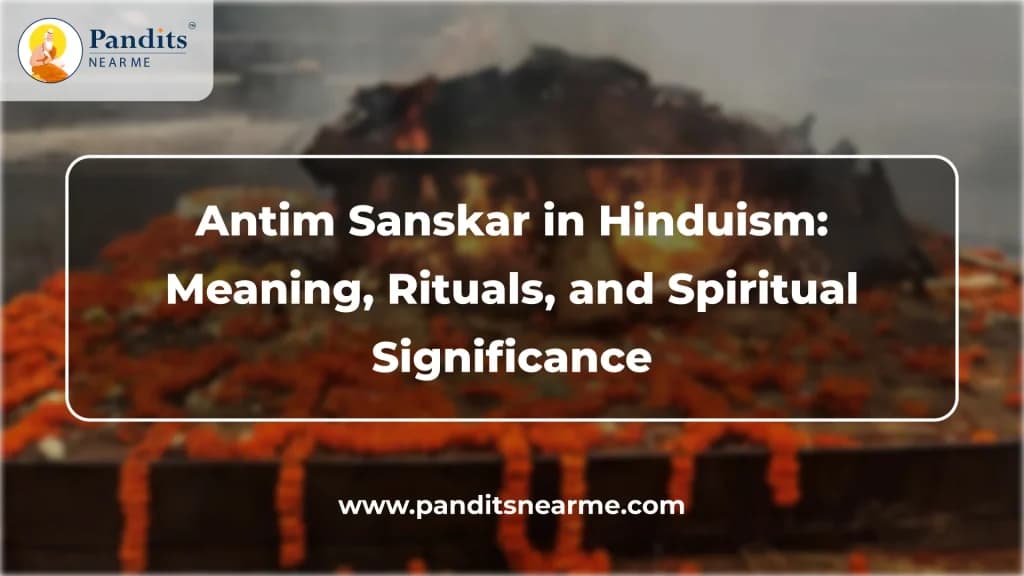
Death in Hinduism is seen not as an end, but a spiritual journey. The Antim Sanskar, or final rites, is an important ritual that helps the soul move from the physical world to the spiritual one. Just like birth is celebrated with traditions, death is honored with sacred ceremonies too.
In this blog, we’ll explore the meaning and rituals of Antim Sanskar, along with services like Antim Sanskar Seva, Antim Yatra Funeral Services, and key traditions such as Dah Sanskar and Antim Kriya.
What is Antim Sanskar?
Antim Sanskar means “last rites” and is the final sacrament (16th sanskar) in Hinduism. It is performed when a person passes away and marks the end of their journey in this life. This ritual helps the soul move forward toward moksha (liberation).
The purpose of Antim Sanskar is to honor the person who has passed and help their soul peacefully let go of worldly attachments to continue its spiritual journey.
Ideology Behind Antim Sanskar
In Hinduism, the soul (Atman) is eternal, while the body is temporary. Death is seen as the soul leaving the body to either be reborn or unite with the divine, based on one’s karma.
The Antim Sanskar rituals are meant to purify the soul, honor the person’s life, and support a peaceful journey onward. These ceremonies also address a deep question: how to die peacefully in Hinduism? Through prayers, mantras, and rituals, the soul is guided to leave the body calmly, without pain, confusion, or attachment.